
Start With the Kind of Game It Is
The reliable starting point is genre, not brand recognition. A buyer should want that basic format before weighing characters, cosmetics, or franchise attachment.
The campaign follows Hawks, a former Republic officer whose appearance and combat class can be customized. Hawks leads an unconventional squad assembled from authored operatives and additional recruits. That premise suits someone who prefers directing a team and shaping a commander over controlling a lone action hero in real time.
Those elements indicate that battles sit inside a continuing campaign structure. They do not, by themselves, reveal every management menu, activity frequency, or the final balance between combat and conversation.
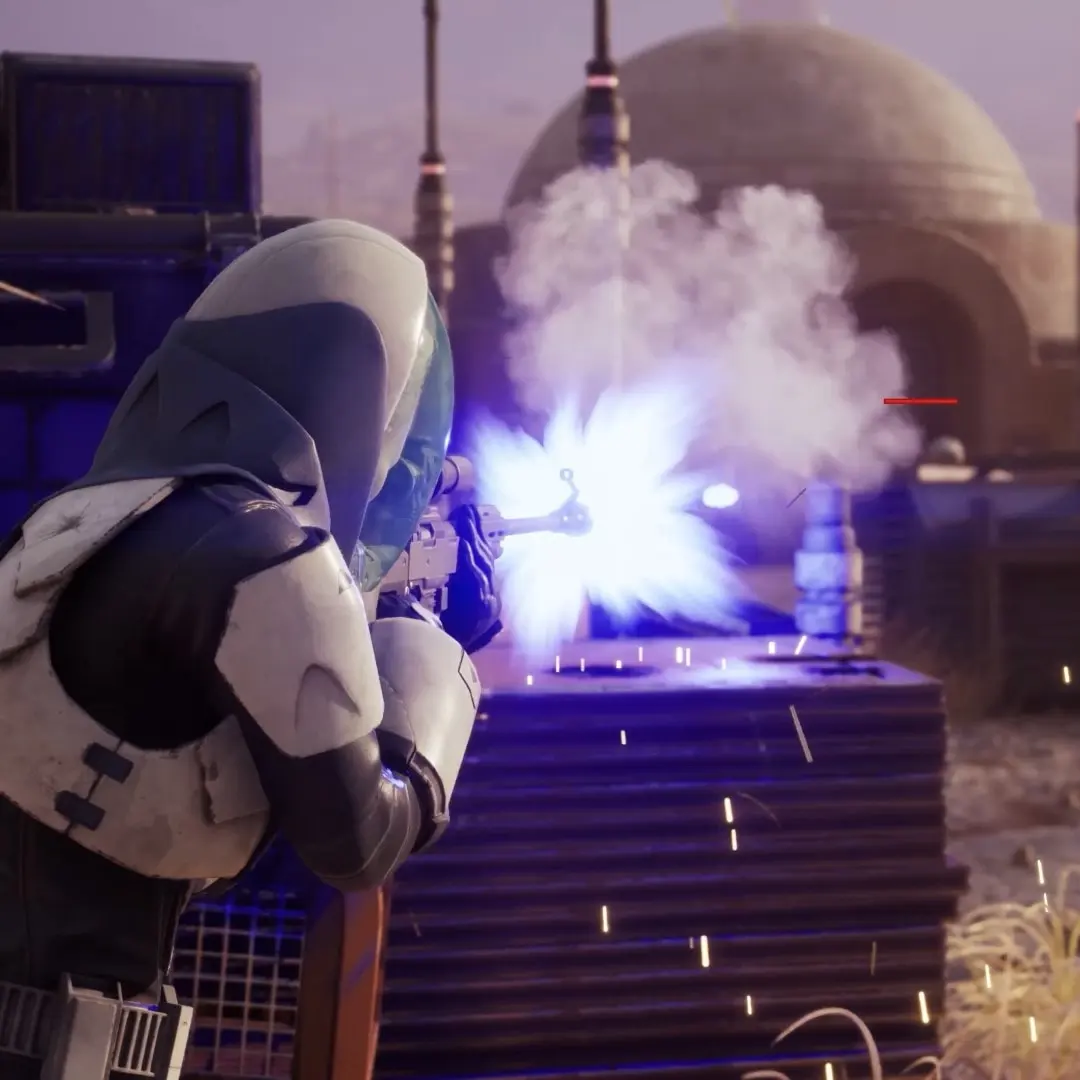
One composed promotional moment cannot prove encounter variety, difficulty, artificial intelligence, or frame rate.
A likely fit is therefore a player attracted to deliberate squad tactics, Clone Wars storytelling, and decisions that continue between missions.
What the Published Feature Set Offers
The battlefield is described as evolving, asking the squad to adapt.
Squad building is more than selecting costumes. This is relevant to players who enjoy roster composition and relationships affecting tactical options, without proving romance routes or unrestricted social simulation.
The base of operations creates another decision layer: the company can be developed while Hawks builds an information network. Buyers who prefer a campaign with preparation between deployments may value that structure.
Consequences are part of the proposition. That can strengthen attachment for some tactics players and create unwanted pressure for others. The page should not turn that preference into a universal positive.
That can matter to a player who wants character-led scenes around tactical encounters, but screenshots and trailers are curated. They establish art direction and the intended camera language, not the pacing, writing consistency, accessibility of every scene, or technical quality across an entire platform build.
If yes, the design is aligned with your taste. Alignment is still not proof of execution quality.
How Much Weight to Give the Hands-On Video
Its author reports spending roughly four and a half hours with the game and describes the combination of tactics, squad relationships, exploration, and cinematic storytelling positively.
That firsthand access makes the video useful for understanding how announced systems felt during a preview session. It is stronger than speculation from a trailer, yet narrower than a finished-game review. A limited session cannot settle campaign-wide repetition, late progression, ending quality, or the stability of every release build.
Viewers should therefore separate the presenter's account from the promotional images on screen. The footage package is not continuous proof of every interaction being discussed.
Use the preview to test personal interest: listen for what the player actually did, which tactical decisions stood out, and which systems were observed directly.
Current storefront terms remain authoritative for the product being purchased, while post-release technical testing and full reviews are better suited to questions the preview could not answer.
Make the Purchase Comparison Concrete
Choose a platform and edition before judging price. A price visible on one store is not a universal measure of value.
Standard is the clean comparison for someone evaluating the campaign itself. Deluxe adds named cosmetic groups rather than a separately documented mechanical expansion.
Confirm supported hardware, account and internet conditions, download size when published, language options, accessibility information, and refund policy.
The practical decision is not whether every announced feature sounds appealing.
Buy for Confirmed Fit, Wait for Missing Proof
That is a personal threshold, not a claim that the game is objectively worth its price.
Wait if co-op or competitive multiplayer is essential. Squad bonds describe characters within the campaign, not human players controlling separate operatives.
Wait for full reviews if late-game variety, total campaign quality, platform performance, accessibility implementation, or post-launch support will decide the purchase. Promotional pages explain intent; hands-on impressions sample part of the experience. Neither can honestly close every question about a finished, widely tested release.
Players uncomfortable with lasting squad consequences should read the dedicated permadeath and character-death guidance before paying. Conversely, genre veterans should not assume every XCOM convention is reproduced. Zero Company's own published rules and shipped menus must define how familiar ideas are implemented.
The defensible conclusion is conditional.
Checked references
Sources and verification
Facts on this page were checked against the following first-party material and named post-launch coverage.