
Beginner Briefing
Approach Zero Company as a single-player, turn-based campaign rather than a sequence of disconnected skirmishes. Hawks leads a customizable team through tactical operations and investigations, so choices on the battlefield sit inside a longer squad story.
A beginner's first useful habit is to pause before spending an action. Scan enemy positions, identify which allies can see the same target, notice safe cover, and decide what must still be possible after the first move.
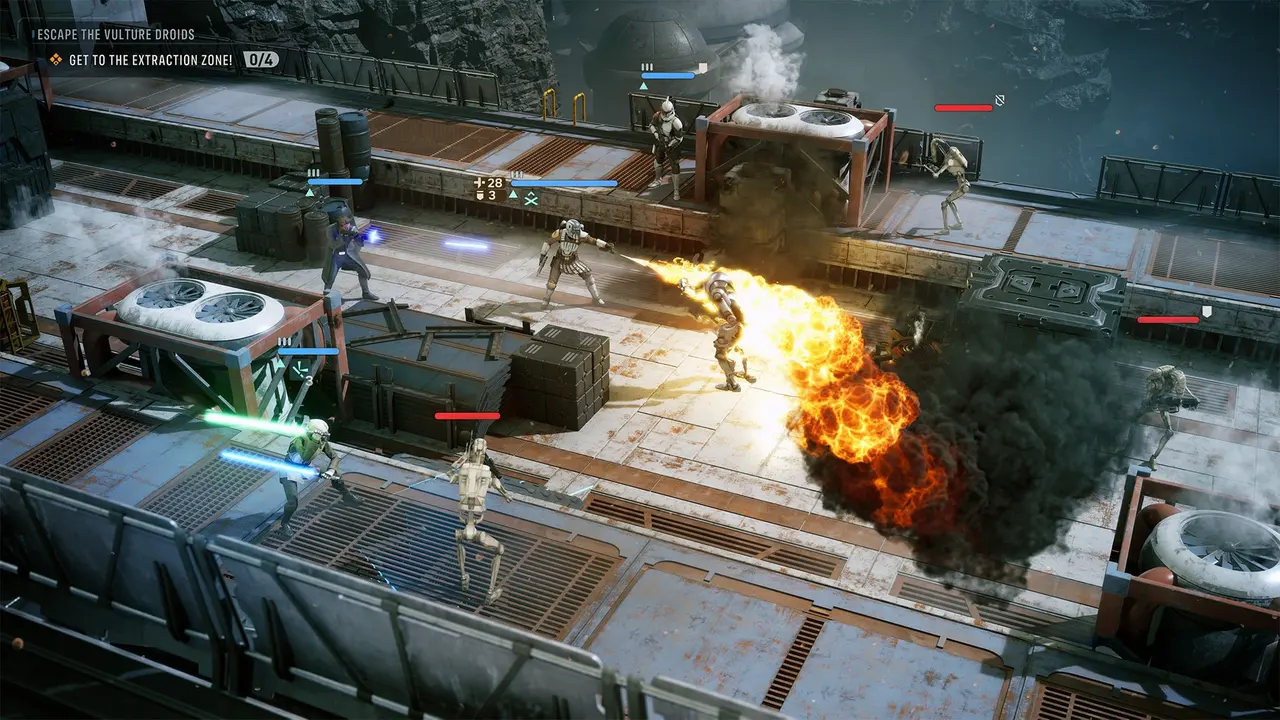
Its wide composition is a readable reminder that a squad is distributed across the map, not stacked on one tile. It does not show turn costs, hit percentages, cover values, or a tutorial prompt, so the guide uses it to discuss visible formation and pressure rather than hidden rules.
Do not copy an impressive trailer sequence as though it were an opening-build recipe. Promotional footage can show that an ability, weapon, or character exists in a particular captured build; it may not show availability, upgrades, difficulty, or the setup required. Learn the game's own feedback first, then decide whether a sequence is repeatable in your current mission.
Campaign Rhythm
The campaign framing means success is not measured only by clearing the current room. Developing Hawks and the squad between operations is part of the published pitch, and investigations connect tactical work to the broader Clone Wars story. A decision that preserves flexibility may be better than one that merely ends a turn with the largest damage number.
Treat each operation as one part of a rhythm: review the objective, choose a team with complementary options, execute the mission, then reassess what the squad needs.
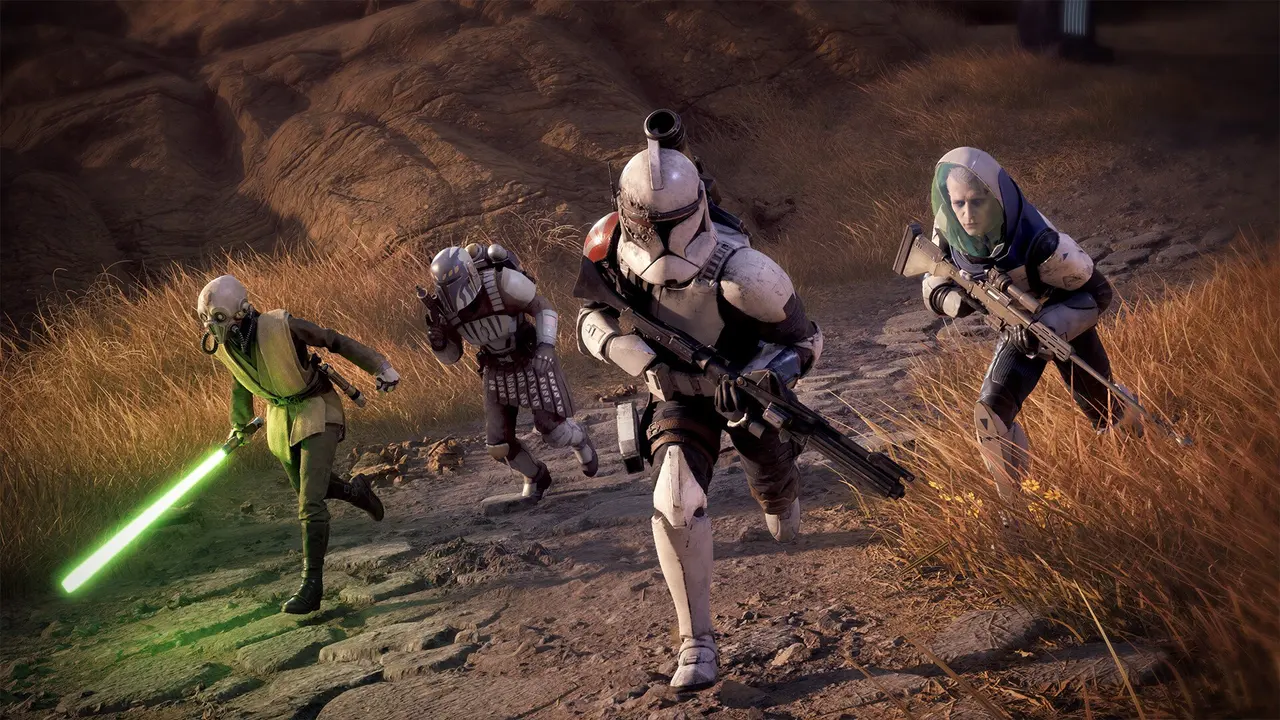
Bonds and combined abilities suggest that relationships within the team can matter mechanically. For a new player, that means evaluating pairs rather than reading each operative in isolation. Ask who can create an opening, who can exploit it, and who can protect the group if the combination fails. Do not assume every bond is available immediately or that any named pairing is optimal before its requirements are published.
The story and squad language should also stay within scope. The current descriptions support a solo tactical narrative in which a squad develops; adjacent modes and social features require their own explicit announcements.
Battlefield Priorities
On a new map, identify the immediate failure condition before chasing optional damage. An enemy threatening the objective, an exposed operative, and a dangerous position can matter more than the easiest target. Target order is a tactical resource because removing or controlling the right threat changes what the rest of the squad can safely do.
Cover and line of sight should be read as relationships, not decorations. A position is valuable because of what it blocks, what it reveals, and which allies can support it. The final game will define exact values and exceptions; a beginner can still compare positions by asking who can attack from there and who can attack back.
Delay irreversible choices until enough information is visible. If one operative can scout or test an interaction without committing the entire team, use that information before moving everyone. Keep at least one response available when possible, particularly if the enemy turn or an objective trigger could change the map.
Ability combinations deserve the same discipline. Read what each action says, check range and target conditions, then arrange the order so one effect creates value for the next.
Boundaries
This guide was first drafted before release and now establishes the game's broad identity: single-player, turn-based squad tactics; Hawks and a customizable team; operations, investigations, bonds, and a Clone Wars-era campaign. It cannot provide exact launch-day numbers or undocumented systems.
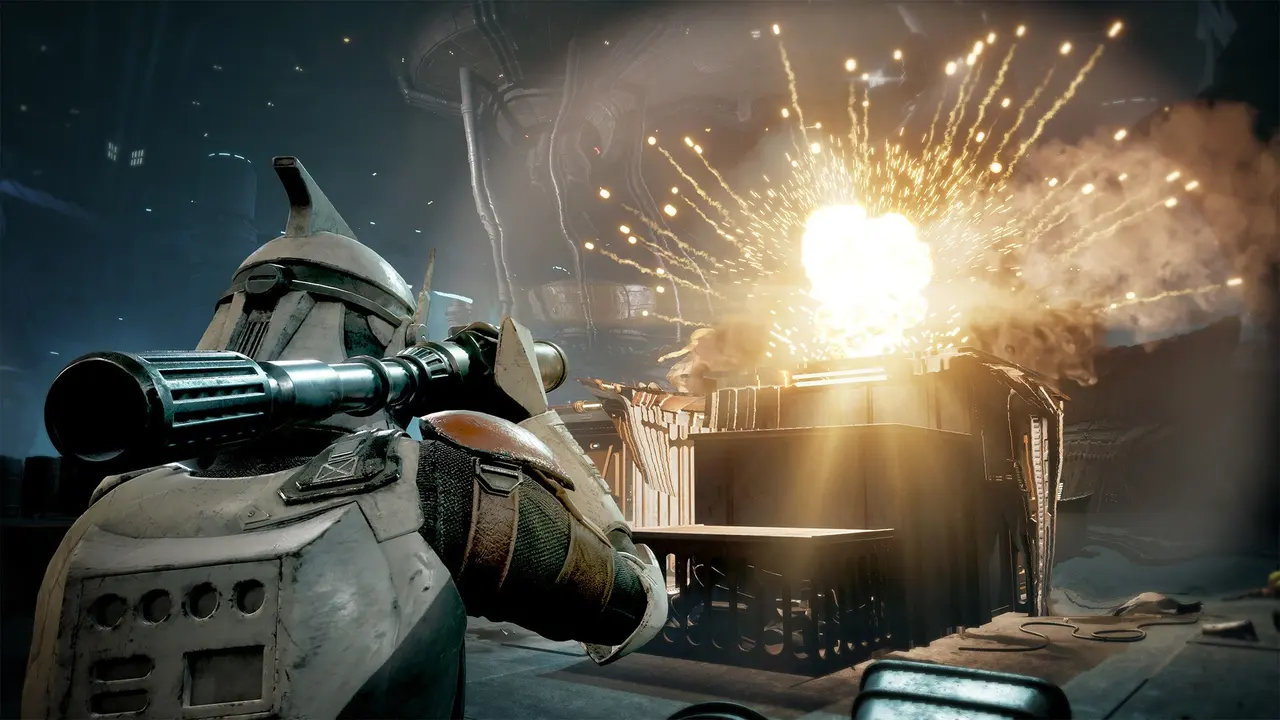
Screenshots are strongest when they describe what is visibly present: squad composition, environment, enemy placement, weapons, or interface elements that can be read. The gameplay trailer similarly demonstrates selected sequences, not every prerequisite or balance value.
Store pages answer a different set of questions. Steam is appropriate for the PC listing, editions, and system requirements shown there.
In the released game, update beginner advice from the tutorial, current tooltips, and repeatable observations. Record the platform and version when a rule differs. Keep a clean boundary between a planning habit and a factual mechanic: scan first, protect squad options, and verify values in the build you are actually playing.
Checked references
Sources and verification
Facts on this page were checked against the following first-party material and named post-launch coverage.