
Mission Gameplay Loop
Zero Company presents combat as turn-based squad tactics. A mission asks the player to read the battlefield, move operatives into useful positions, choose targets, and combine abilities instead of relying on real-time reflexes.
A practical turn begins with the objective and the most dangerous enemy action. Identify which threat can disrupt the mission or expose a squad member, then compare safe positions before committing the first action. Target order matters because removing one enemy can make every later move safer.
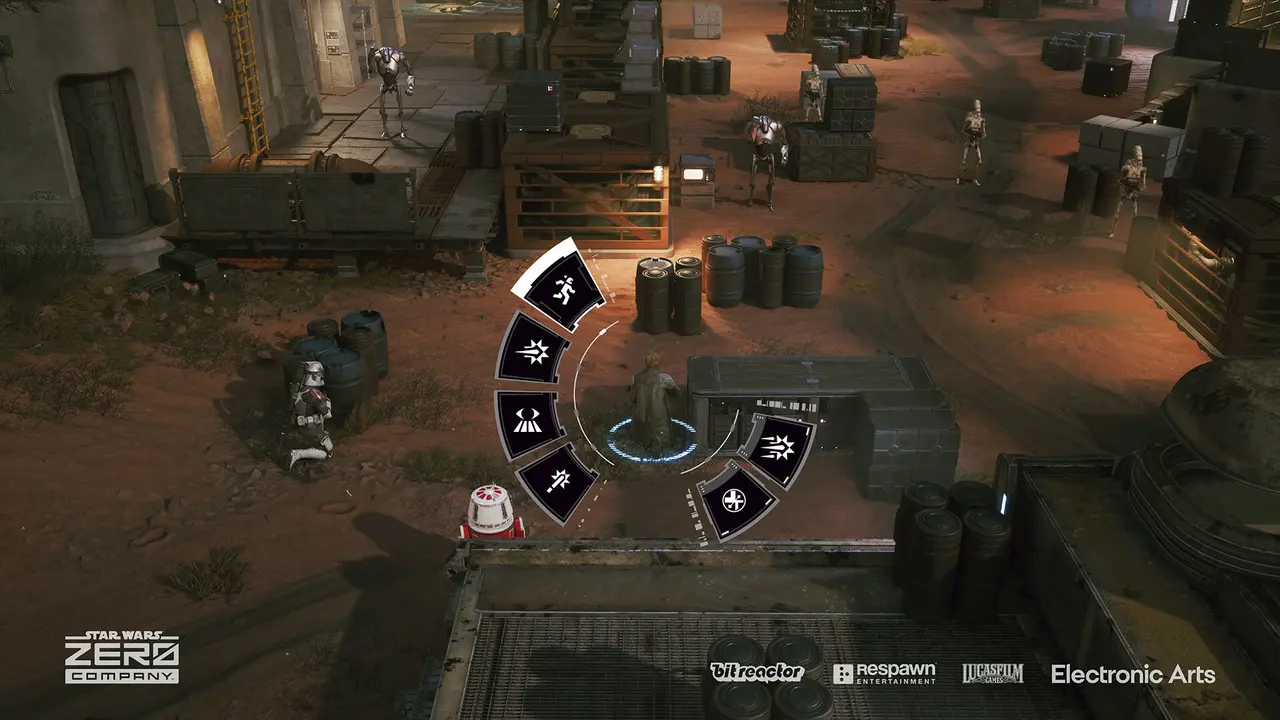
Its diagonal firing lanes and separated figures make positioning pressure visible. It does not display final cover values, action costs, difficulty modifiers, or a deployment cap, so the page does not derive those rules from the composition.
A captured sequence still may omit prerequisites, failed outcomes, upgrade state, or editing between actions. Use it to understand the tactical style, then use release-build tooltips for exact mechanics.
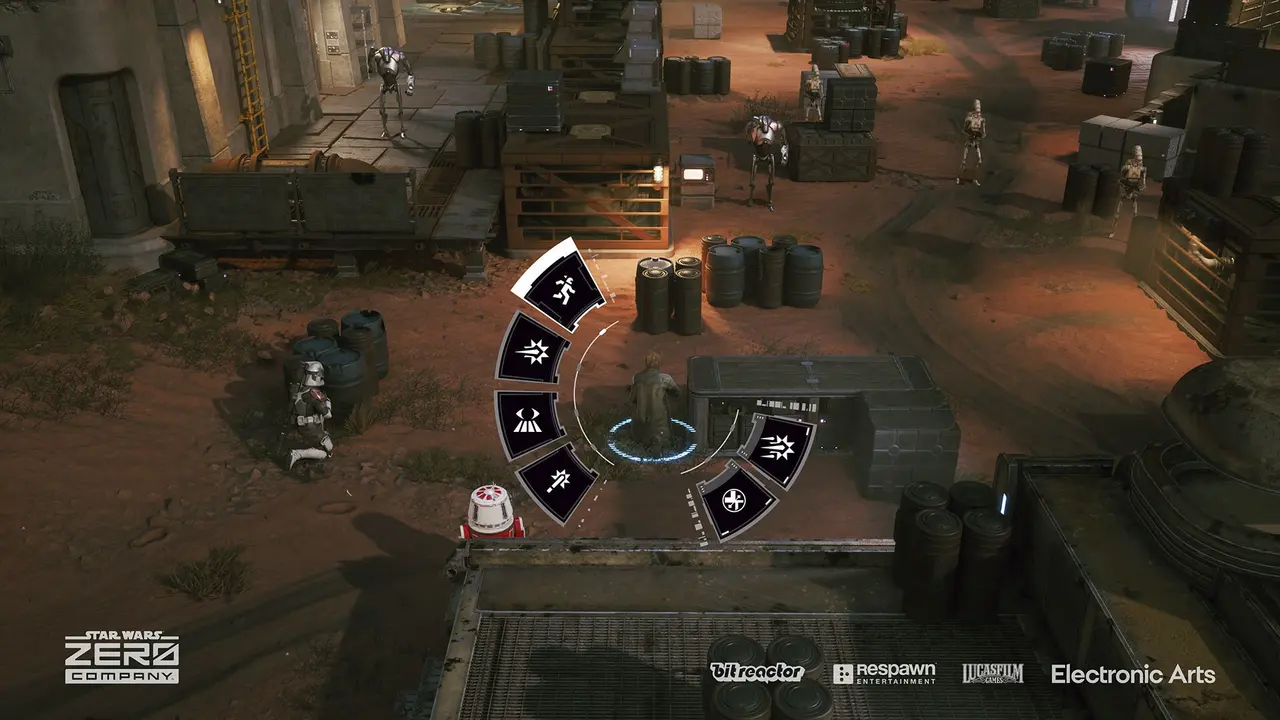
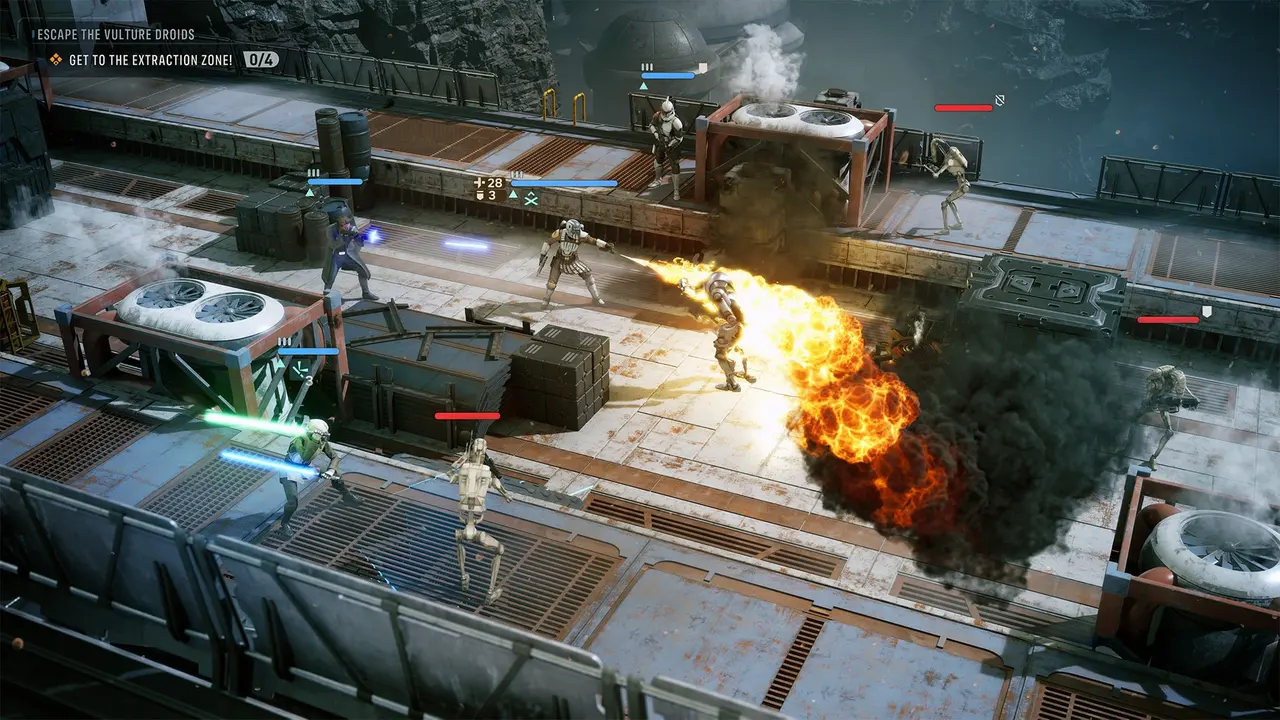
Cover And Positioning
Cover has value only in relation to enemy sight lines, the objective, and the position an operative occupies after moving. A sheltered tile that cannot influence the fight may be less useful than a riskier lane supported by allies.
Before moving, ask who can see the destination, which targets become visible from it, and whether another operative can respond if the move fails. This relationship-based reading is useful without assuming the exact cover categories or probability formula.
Elevation, obstacles, and flanking angles visible in media can suggest tactical questions, but screenshots cannot establish unseen bonuses. The final interface must determine whether a position grants cover, blocks line of sight, or changes accuracy in a specific build.
Keep the squad connected. Advancing one operative far beyond support can create an isolated target even when that tile looks strong. A slower formation may preserve follow-up options and reduce the need to spend later actions rescuing a bad move.
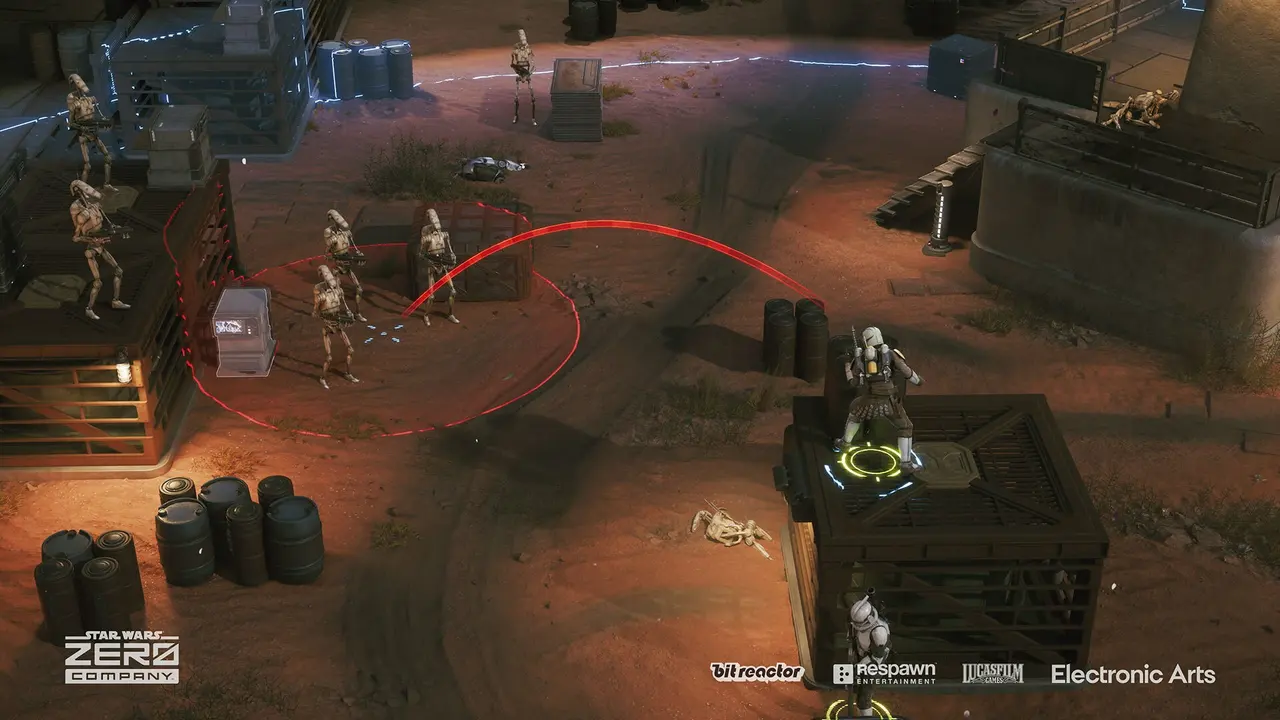
Ability Combinations
Abilities become more valuable when one operative creates a condition another can exploit. An opening action may control a target, alter its position, expose it, or make a finishing action safer. The order of use can matter as much as the isolated tooltip value.
Read the complete conditions before planning a chain: range, target type, resource cost, cooldown, and any required state. Promotional footage can demonstrate one successful combination, but it does not prove that every pairing is available at the start or works against every enemy.
Bonds are part of the published squad pitch, which supports looking for relationships between operatives. It does not support inventing a final bond list or numerical bonus.
A dependable sequence should leave an alternative if the first action fails. Avoid spending every flexible resource on an optimistic opener unless the objective demands it. The strongest combination is often the one the team can execute consistently in the current position.
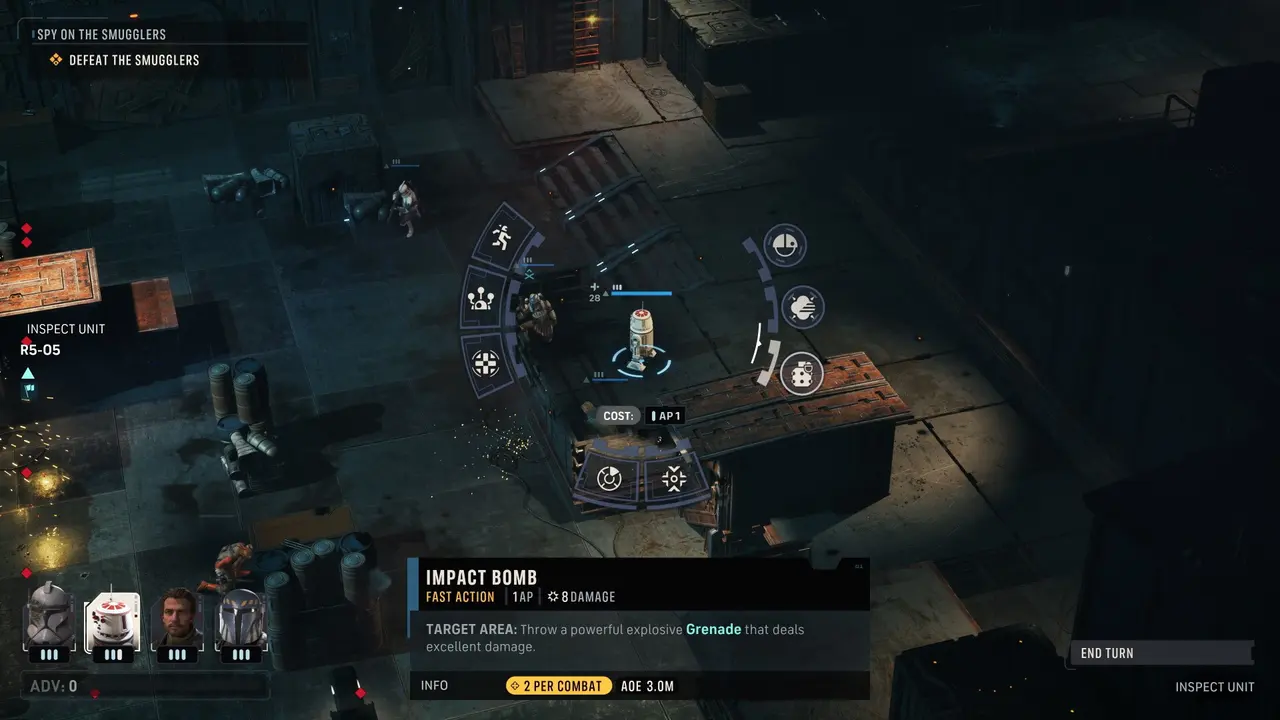
Turn Planning
Plan the whole turn in a provisional order before confirming its first irreversible step. Decide which enemy must be handled, which operative creates the opening, who follows, and what action remains for protection or an unexpected objective change.
Information-gathering actions should usually precede commitments when they can reveal sight lines or target conditions. Once an operative moves or spends a limited resource, the remaining plan may narrow. The exact cancellation and action rules remain subject to the final game.
A good plan includes failure. If an attack misses or a control effect does not solve the threat, know whether another squad member can cover the exposed lane. This is tactical method, not a claim about a particular hit chance or reaction system.
End-of-turn position deserves its own check. Count immediate threats, review objective pressure, and avoid leaving a crucial operative dependent on one fragile assumption. Campaign consequences make survival and future squad flexibility part of the calculation.
Gameplay
Steam confirms the PC product's genre and feature language, but its storefront does not define mechanics for other platforms.
No media used here certifies every final number, enemy value, difficulty modifier, or ability prerequisite. Build changes and trailer editing make those details especially unsafe to infer.
The defensible gameplay summary is concrete but bounded: deliberate turn-based squad missions emphasize positioning, cover, target order, and coordinated abilities. Exact formulas, exhaustive ability lists, and final balance remain outside this overview until documented.
When release coverage is evaluated, verify that demonstrations identify platform, build, difficulty, and progression state. A sequence recorded with upgraded operatives should not be described as the opening experience, and one encounter should not be treated as the complete mission catalogue.
Checked references
Sources and verification
Facts on this page were checked against the following first-party material and named post-launch coverage.