
Class Roster
Those are confirmed character types, but they are not a complete class roster and do not reveal the final labels used by the game's progression interface.
A useful class guide must distinguish identity from role. Scoundrel, droid, and Jedi language can describe who a character is in Star Wars; a battlefield class or specialization describes what that character can do.
Their positions and silhouettes make squad variety visible, but there is no readable class badge, skill tree, role tooltip, or unlock condition. The image can support discussion of a mixed team, not an exhaustive taxonomy.
Players may use class as a convenient umbrella, but the guide should preserve whichever terms Zero Company ultimately uses for identity, training, equipment, and specialization.
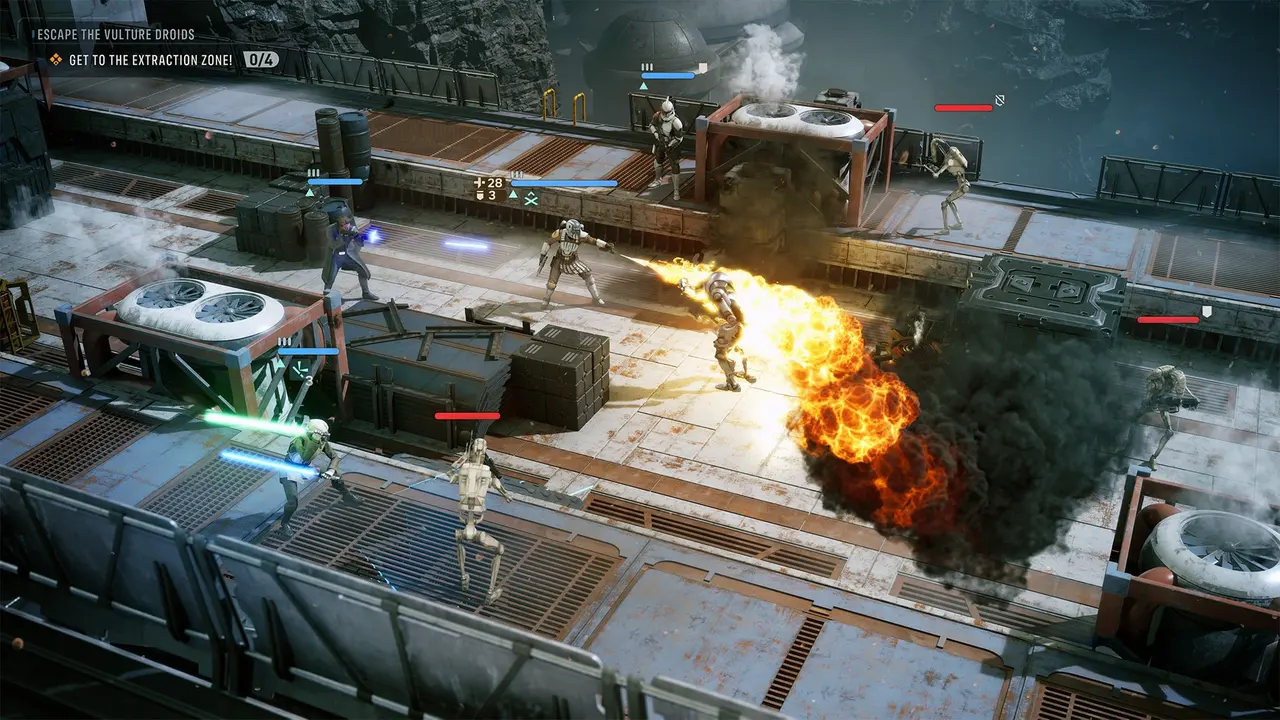
Announced Squad Variety
Squad variety is supported more strongly than class structure. These details suggest different tactical contributions, but they do not provide a chart connecting every character type to weapons, passives, active abilities, or progression branches.
Promotional examples also may not represent free choices. A named companion could have a fixed identity, while a custom operative could use a separate set of options. A character visible with one weapon may be demonstrating a loadout rather than a permanent class restriction. Those distinctions require explicit roster or creation screens.
Players can still plan conceptually around complementary jobs: damage, control, protection, mobility, or support. These are analytical roles, not claimed in-game class names.
Bonds complicate a simple role list because value may depend on pairings.
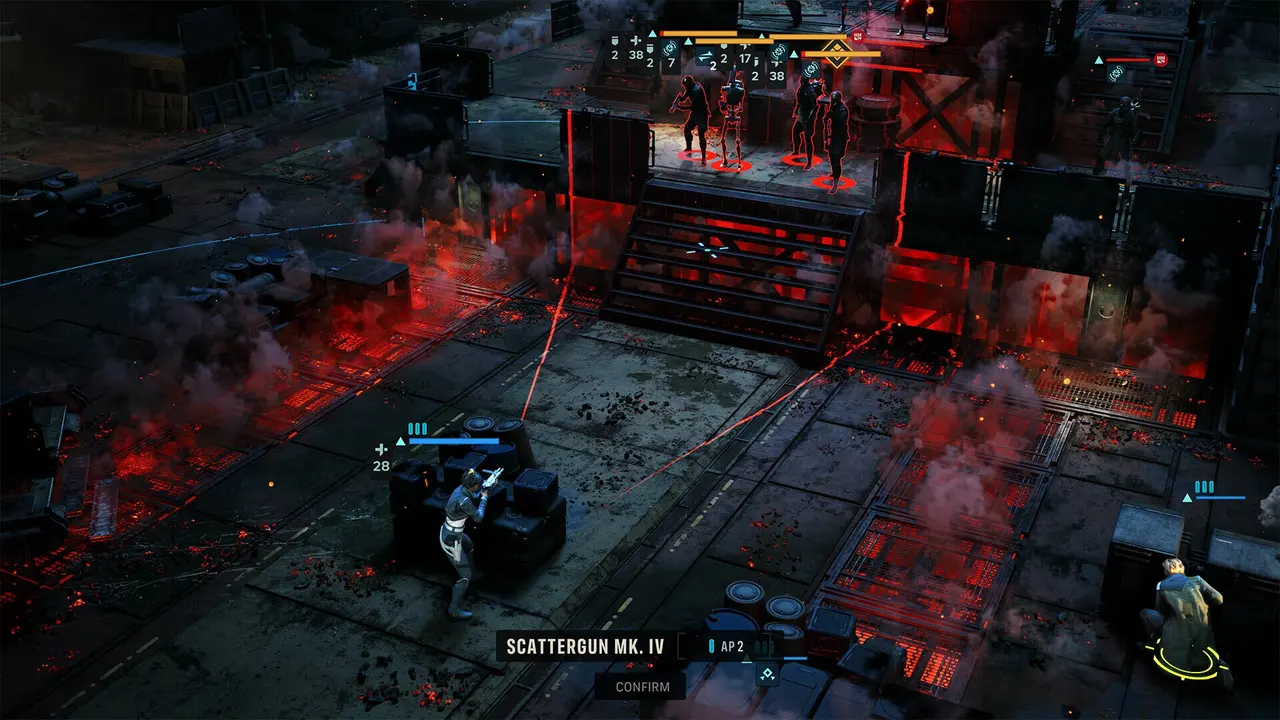
Class List Boundary
They do not say which options are present at character creation, earned during the campaign, tied to individual companions, or mutually exclusive.
A video roster screen can establish only what is readable in that build and moment. It cannot prove that every entry is available to every player, that hidden entries do not exist, or that labels remain unchanged at release. A complete guide needs names, scope, and conditions together.
Edition cosmetics should not be mixed into the class list. A skin, weapon theme, or droid appearance can change presentation without creating a tactical archetype. Conversely, a specialization could matter mechanically without being represented by a unique character silhouette.
A responsible table should show whether the entry is a class, specialization, background, companion identity, or player-created option.
Preview terminology can change, and an option visible in a demonstration may have been pre-unlocked. The final game is the authority for ordinary campaign availability.
Role Planning
Until exact classes are documented, plan around mission needs and demonstrated actions. A balanced squad usually needs ways to reach or influence difficult positions, handle immediate threats, protect exposed members, and capitalize when an ally creates an opening.
Read active abilities, passives, weapons, and bonds together. A modest effect may be valuable because it makes another operative's turn reliable; a spectacular attack may be less useful if its conditions leave the formation exposed. This is a method for evaluating published tooltips, not a pre-release ranking.
Avoid assuming that weapon equals class. Gameplay reporting says weapon choice and specialization have flexibility, so a visible rifle or launcher should not automatically define a permanent role. The final loadout screens will show which combinations are legal and what tradeoffs they carry.
In the released game, build a roster guide from repeatable facts: exact menu names, selectable users, unlock condition, described actions, and observed limitations. The confirmed message remains that Zero Company supports a varied customizable team, not that every class and best build is already known.
The first useful comparison will therefore be functional rather than numerical: what problem does an option solve, what conditions does it need, and what does the squad give up by selecting it? Those questions remain valid even as balance changes.
Checked references
Sources and verification
Facts on this page were checked against the following first-party material and named post-launch coverage.