Xbox Release
Star Wars Zero Company released for Xbox Series X|S on August 27, 2026.
The platform wording matters: this is an Xbox Series X|S release, not an announced Xbox One version.
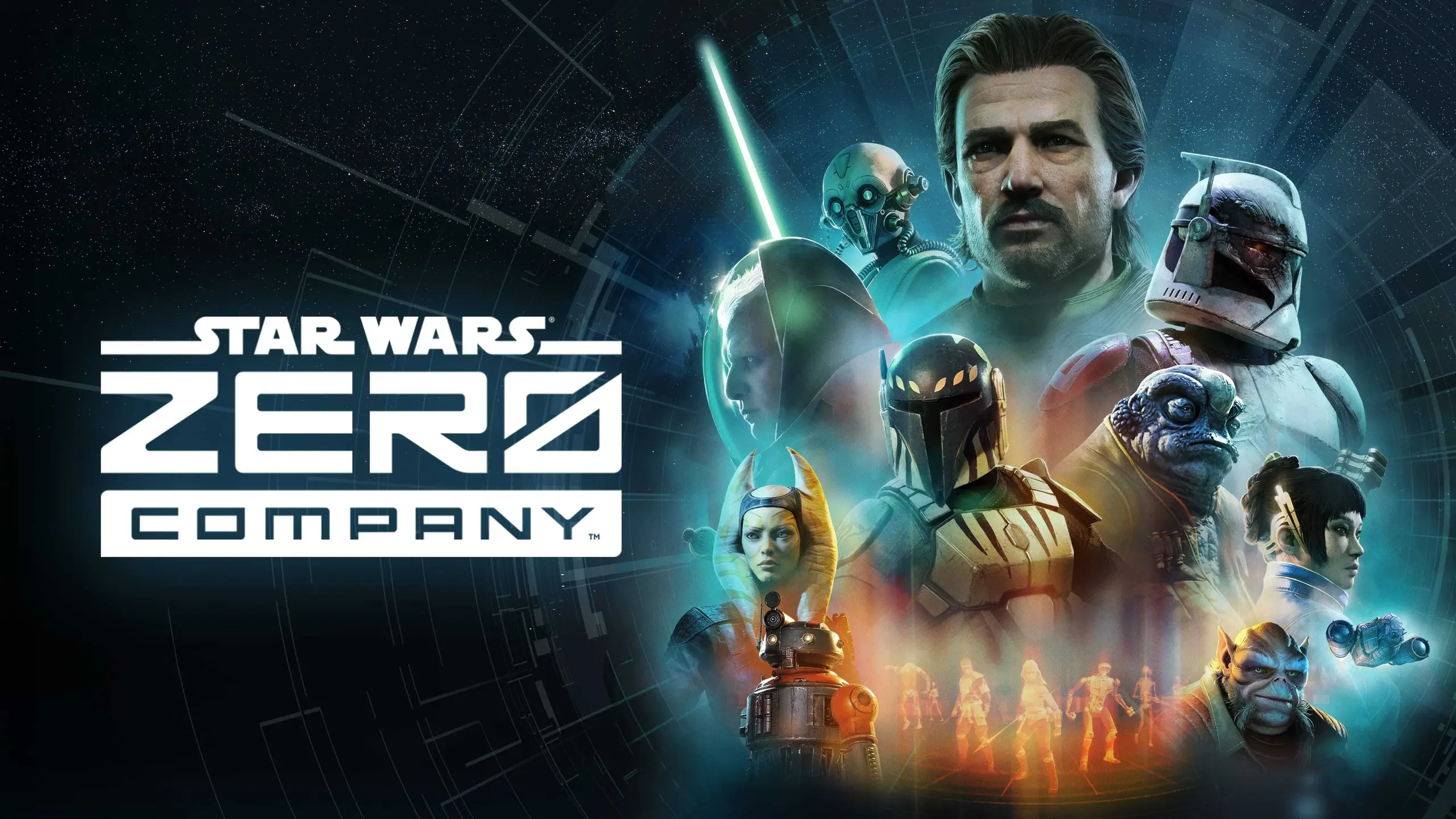
It provides campaign identity, but shows no Xbox dashboard, Series X or Series S performance readout, local price, edition selector, Game Pass badge, preload status, or unlock clock.
Its cinematic and gameplay cuts cannot establish resolution, frame rate, storage, cloud access, subscription inclusion, or local purchase conditions.
Before release, the status was scheduled; the game now has a published Xbox release date of August 27, 2026. Check the current local listing for a live entitlement, edition availability, patches, and regional terms rather than retaining a launch-day conditional.
Series X|S identifies a console family, but the two devices have different hardware.
Microsoft Store Check
Use the Xbox or Microsoft Store listing attached to the account that will own the game. That regional entry is the authority for displayed currency, price, tax presentation, age rating, languages, edition availability, and whether checkout is currently offered.
Confirm the product identity rather than relying on a search card. The base game, Deluxe Edition or upgrade, and preorder bonus can appear as separate catalogue items. Buying an add-on is not the same as obtaining the game license required to use it.
A preorder button confirms that the listed account can place that transaction under displayed terms. It does not by itself establish preload timing, a playable head start, or a subscription entitlement. Those require their own labels.
Region affects more than price. Offer eligibility, ratings, language disclosures, and release presentation can differ. An en-US listing should not be copied as the complete transaction terms for every Xbox territory.
At checkout, save the edition name and written inclusions.
Do not merge metadata from separate add-ons into one entitlement.
Edition Comparison
Compare Standard and Deluxe item by item.
Keep the qualifying preorder cosmetic offer separate from Deluxe contents. A reward attached to eligible advance orders may appear with more than one edition, while Deluxe has its own specified bundle. The local Xbox product text should show how the offers apply to the chosen item.
The store may also present a Deluxe Edition Upgrade. An upgrade normally depends on ownership of the base product, so read the requirements before treating its lower price as a complete game purchase.
Value depends on whether the named cosmetic appearances matter to the player. Someone focused only on the single-player tactics campaign can compare the Standard license without assuming the pricier edition changes core gameplay systems.
Artwork can confirm the look of promoted items when accurately captioned, but only the written catalogue description establishes what the transaction includes. Neither image nor edition name proves universal eligibility.
Refund and cancellation rules are store terms rather than edition features.
Xbox Purchase Boundaries
An Xbox store page does not automatically mean Game Pass inclusion.
The August 27 date does not establish a universal Xbox unlock hour or preload schedule.
Do not infer a Windows license from the PC announcement. Xbox Play Anywhere is a named entitlement that must appear on the product listing; separate PC and console availability is not enough.
After launch, technical reviews should name the console model, patch, display mode, and measurement method. A statement about Series X should not be silently applied to Series S, and cinematic trailer output should never be reported as captured console performance.
Checked references
Sources and verification
Facts on this page were checked against the following first-party material and named post-launch coverage.